
DIVERSITY KIDS
  • Home
  • About Us
  • Services
  • Online Store
  • Resources
  • Blog
  • Where We Have Featured
  • Work With Diversity Kids
  • Contact Us
  • Child Safe Statement

Our thoughts & insights

Cultural Perspectives in Education & Care
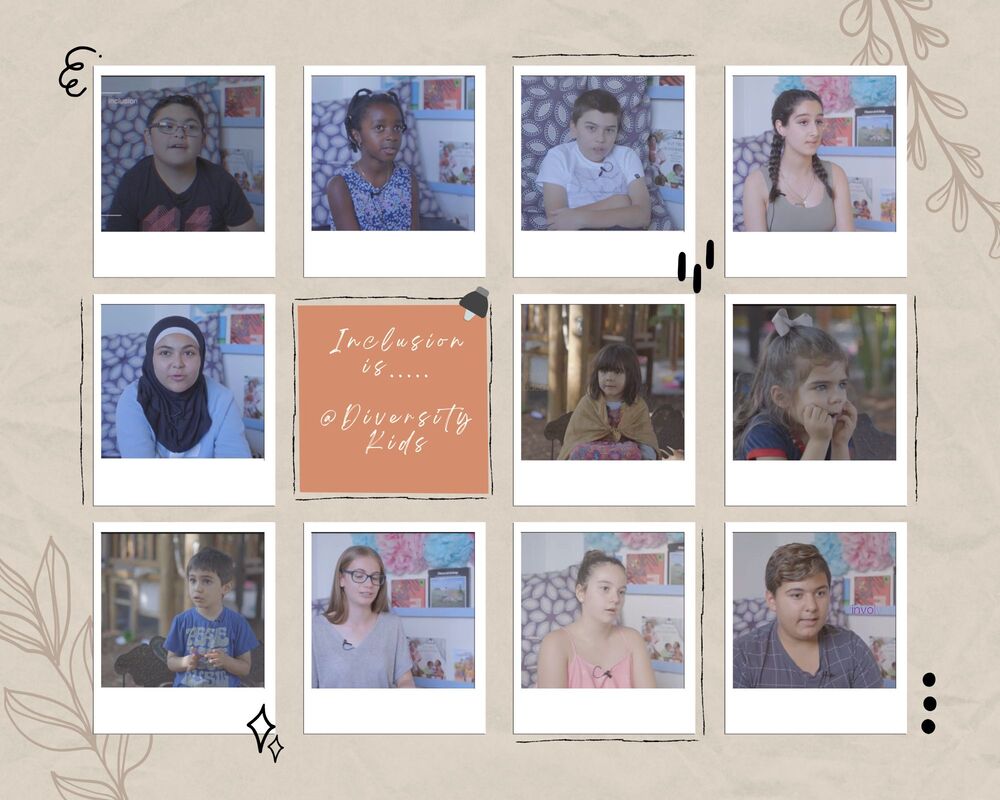
Realising the Rights of Children from Culturally & Linguistically Diverse Backgrounds - Where Cultural Diversity Meets Cultural Inclusion.

29/2/2024

0 Comments

 
Picture


Every child has the right to grow up receiving education and care that respects and nurtures their being, sense of belonging and who they are becoming. For the Culturally & Linguistically Diverse (CALD) child this encompasses their linguistic and cultural heritage.
The UN Convention on The Rights of The Child (UNCRC) recognises and protects specific rights for children from CALD backgrounds, with aim to ensure that every child, regardless of their cultural or linguistic background is treated fairly, with dignity and receive equal opportunities.

This article explores the fundamental rights specifically dedicated to CALD children and the challenges faced having their rights realised.
It also highlights how all children’s rights are embedded within the outcomes, objectives and guiding principles of our Learning Frameworks and considers how practitioners can create an inclusive space that nurtures every child’s agency, cultural safety, well-being and sense of belonging. A space that is conducive to championing all children’s rights and employing practices that move beyond the acknowledgment of cultural diversity, towards entrenched inclusion of every child.

One of the most impactful first steps practitioners can take, is to focus and reflect on each child’s unique set of rights and how we can support them to attain these. To identify any specific barriers faced and provide additional resources and support to ensure that despite these barriers, their rights are understood, enabled and realised too.
The following rights and articles have been highlighted for their relevance & reference to children from refugee and CALD backgrounds with some reflective questions for practitioners around supporting the rights of every child.
 
Right to non discrimination: (Articles 2, 22, 23)
All children have the right to be treated equally and should not face discrimination based on their cultural/linguistic background, refugee status or disability.
CALD children may experience racism and prejudice in their education & care settings, based on their language, accent, race or appearance, which can significantly impact their self-esteem. Such experiences can lead to feelings of exclusion impacting on well-being, sense of belonging and ultimately disabling their fundamental rights as children.
 
Practitioners who deliver inclusive, anti-racist, anti-bias programs that eliminate racism and exclusion help safeguard and realise the rights of every child.

Are you familiar with UNCRC and how these articles underpin our Learning Frameworks? What strategies do you use to ensure that children who are not fluent in English, who have diverse abilities or are from refugee backgrounds understand that they are holders of rights? How do you adopt the NQF Principles to support best practice, promote and advocate for every child’s fundamental rights to be enabled? How do you embed and implement children’s rights in your daily programs & practices? How do you address discrimination and biases and create a safe and respectful environment for all?
 
Right to Education & Information: (Articles 28, 29 & 42)
Every child has the right to access quality education that respects and values their cultural background and provides opportunities to learn, engage and access information in their home language and relevant to their cultural context.

UNCRC stipulates that education should develop each child’s personality and talents to the fullest and encourage children to respect their and other cultures. This UNCRC principle echoes elements of EYLF  ‘Belonging, Being & Becoming’, the principles ‘respect for diversity’ & ‘equity, inclusion & high expectations’ and aligns with ‘cultural responsiveness’ as a practice.

How do you ensure that your educational programs are culturally meaningful & authentic for every child and that you nurture every child’s ‘Belonging, Being & Becoming’? What programs & resources do you use to help fulfil children’s rights as set out in in the UNCRC, particularly those linked back to the frameworks? How do you reflect on cultural responsiveness & inclusive practices in the context of children’s rights?
 
Right to Language, Cultural Identity & Family Life: (Articles 14, 30)
The UNCRC recognises that every child has the right to use their language and participate in cultural practices within the broader society. Children have the right to preserve and develop their cultural, linguistic and religious identity.

Do your policies, programs, resources & practices respect & reflect every child’s language, culture and religion?  Do you cultivate culturally appropriate & representative programs that celebrate diversity? How do you facilitate maintenance of home language & bilingual programs, acknowledge & honour traditions, celebrations, child rearing practices of the children and families in your settings? How do you create a sense of cultural & religious safety for every child?
 
Right to Participation: (Article 12)
Children have the right to be heard and actively participate in decisions that affect them, including decisions related to their cultural and linguistic practices.

How do you nurture a sense of agency & advocacy in every child? How do you facilitate positive sense of self, confident learners and effective communicators (particularly in the context of children who are not fluent in English or are culturally unfamiliar with such concepts)? How do you enable children’s connection and contribution to their cultural world?
 
When cultural diversity meets cultural inclusion through our practices, we help champion and support the rights of all children and contribute towards making every child’s rights real.
 
References:
Australian Government Department of Education [AGDE] (2022). Belonging, Being and Becoming: The Early Years Learning Framework for Australia (V2.0). Australian Government Department of Education for the Ministerial Council.
 
The United Nations Convention on the Rights of the Child (UNCRC, 1989. (United Nations Convention on the Rights of the Child [UNCRC], 2006).

0 Comments


Leave a Reply.

    Author

    Meni Tsambouniaris
    ​Multicultural Consultant

    Archives

    March 2025
    February 2025
    January 2025
    December 2024
    March 2024
    February 2024
    May 2023
    September 2022
    August 2022
    June 2022
    March 2022
    October 2021
    August 2021
    July 2021
    April 2020
    January 2020
    July 2019

    Categories

    All

    RSS Feed

©Diversity Kids 2025. Designed by BlackRhino Creative.
  • Home
  • About Us
  • Services
  • Online Store
  • Resources
  • Blog
  • Where We Have Featured
  • Work With Diversity Kids
  • Contact Us
  • Child Safe Statement